
S M Mokter Hossain:
Can the significance of a festival be measured solely by its religious rituals, celebrations and gatherings? From an economic perspective, the answer is different. Festivals influence consumer spending, generate market demand, create employment opportunities and stimulate local production. Durga Puja in Bangladesh is one such occasion. From idol makers and clothing retailers to flower growers and transport workers, many people depend, directly or indirectly, on the economic activities surrounding the festival. It is therefore important to view Durga Puja not only as a religious celebration but also as a potential driver of local economic growth.
A significant part of Bangladesh’s economy is driven by small businesses, family-run enterprises and informal employment. For many of these businesses, maintaining steady sales throughout the year is difficult. Festival seasons offer opportunities to increase revenue as consumer demand rises. Before Durga Puja, sales of clothing, jewellery, cosmetics, sweets, flowers and decorative items often increase. The construction of temporary pavilions and the installation of lighting also create work for people from different professions. The economic impact of the festival therefore extends beyond retail sales to employment and household incomes.
However, this potential comes with a limitation. Although business activity increases during the festival, its benefits are not distributed equally among all entrepreneurs. Businesses with greater capital, stronger marketing networks and better access to suppliers are often better positioned to benefit. Smaller artisans and seasonal traders, meanwhile, frequently struggle with rising raw material costs, limited working capital and uncertainty over sales. The central question, therefore, is whether increased festival spending translates into better incomes for those who produce the goods and provide the services.
To address this gap, the economy surrounding Durga Puja needs a more structured approach. Artisans could be supported through affordable loans, vocational training, reasonably priced raw materials and opportunities to sell directly to consumers. Traditional crafts such as idol-making, pottery, handloom products, conch-shell jewellery and other handicrafts should not be treated merely as seasonal products. By improving design, quality and marketing, these products could reach consumers throughout the year. Such initiatives would help stabilise artisans’ incomes while preserving Bangladesh’s cultural heritage for future generations.
Digital commerce could play an important role in this process. Through social media, online marketplaces and reliable courier services, small entrepreneurs can reach customers across the country. However, simply displaying products online is not enough to build a sustainable business. Product quality, transparent pricing, timely delivery and secure payment systems must also be ensured. Training small entrepreneurs in digital marketing through public-private initiatives could help expand festival-related businesses and open up new markets.
Religious tourism offers another promising avenue for economic growth. Different parts of Bangladesh are home to historic temples, heritage sites and elaborate Durga Puja pavilions. Developing organised tourism around these attractions could benefit local hotels, restaurants, transport operators, food vendors and handicraft businesses. Turning this potential into reality, however, requires better transport links, clean surroundings, adequate accommodation, reliable visitor information and effective security arrangements. Ensuring tourists’ comfort and safety must come before promotional campaigns.
Security and religious freedom are also directly linked to economic prospects. Attacks on puja pavilions, vandalism of idols, rumours and communal incitement can disrupt normal life. Such incidents affect not only members of religious communities but also local businesses, tourism and employment. Ensuring the safety of the festival is therefore not merely an administrative responsibility; it is essential to protecting the local economic environment. Citizens also have a role to play by avoiding the spread of unverified information on social media and acting responsibly during periods of tension.
Reliable data are needed to understand the true economic significance of Durga Puja. How much money is spent during the festival? How many people find work? Which sectors experience the greatest increase in demand? And to what extent do small entrepreneurs benefit? These questions require regular research and credible statistics. Instead of relying on unverified estimates of total spending, government agencies, business associations and research institutions could work together to collect data. Such evidence would help policymakers identify the sectors where targeted support could generate the greatest employment and income gains.
Nevertheless, the festival economy should not be equated simply with higher spending or increased consumption. Inflation and limited household incomes make additional expenditure difficult for many families. Fair pricing, quality control and consumer protection must therefore remain priorities during the festival season. Equal attention should also be given to creating opportunities for small retailers and marginal producers alongside larger businesses.
Another important strength of Durga Puja is the interdependence it fosters among people. Traders from different religious communities sell goods in festival markets, workers from various backgrounds help construct pavilions, and transport workers assist visitors with their journeys. This demonstrates that economic life is not confined by religious identity. People’s livelihoods, earnings and social relationships are closely interconnected.
Bangladesh can make better use of the economic opportunities associated with Durga Puja through long-term planning. Support for local artisans, access to finance for small entrepreneurs, wider use of digital marketing, investment in religious tourism and a safe environment for celebrations could collectively transform seasonal demand into more sustainable economic opportunities.
The success of a festival cannot be measured solely by the number of lights illuminating its surroundings, the crowds visiting its pavilions or the volume of goods sold. Its true measure lies in how many livelihoods improve, how many small entrepreneurs gain new opportunities and how strongly mutual respect is reinforced within society. Durga Puja’s economic potential should be viewed from this broader perspective. By bringing together devotion, livelihoods and social harmony, the festival can become a meaningful contributor to inclusive economic development in Bangladesh.
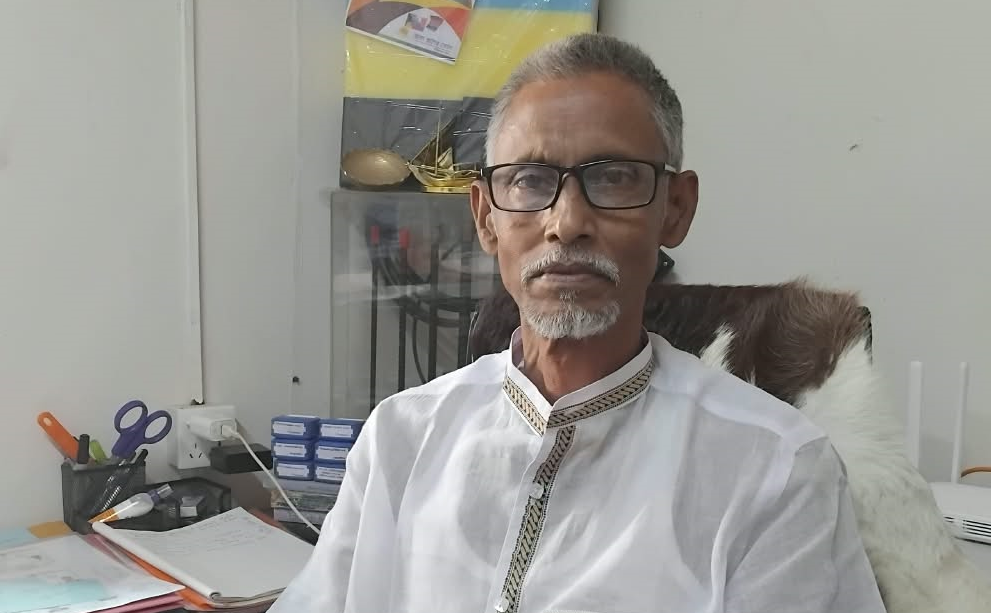
The writer is Editor of CNSWORLD24NEWS.COM.
What do you feel about this post?

Like

Love

Happy

Haha

Sad