Special Reporter:
The Bangladesh Textile Mills Association (BTMA) has said the decision to withdraw bonded warehouse facilities for imports of 1,030-count cotton yarn and allow imports against bank guarantees will not disrupt legitimate import-export activities. Instead, the measure could help revive closed and partially operational spinning and weaving mills, protect existing jobs and create new employment opportunities.
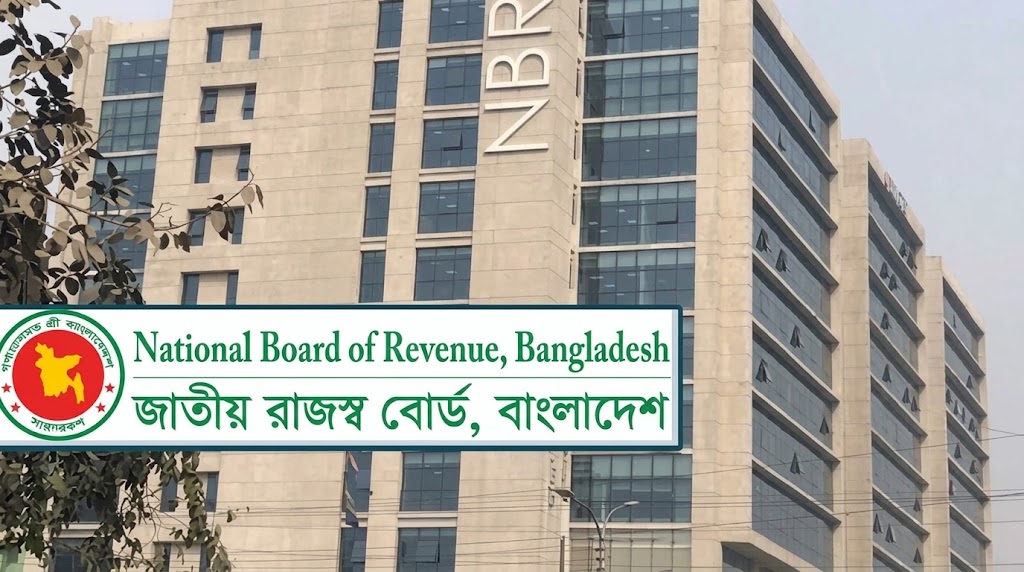
In a press statement issued on Sunday, October 18, the association said the arrangement would not impose additional duties or taxes on imports. Rather, importers would be allowed to bring in the yarn against bank guarantees equivalent to the applicable customs duties and taxes, following a decision by an inter-ministerial committee and a related order issued by the National Board of Revenue (NBR).
The BTMA also maintained that the arrangement would not necessarily reduce importers’ working capital, as banks generally issue guarantees under non-funded credit facilities.
According to the association, the policy aims to prevent the misuse of bonded facilities, protect government revenue and ensure fair competition between domestically produced and imported yarn.
The BTMA said any review of bonded facilities for cotton yarn should consider both the investment and employment associated with the primary textile sector and the need to ensure competitive raw material supplies for the export-oriented garment industry.
The country’s spinning sector represents an investment of around $32 billion, according to the association. It argued that restoring the production and financial capacity of domestic textile mills could help reopen shuttered and partially closed spinning and weaving units.
A revival of these mills could protect existing jobs, generate new employment and support the recovery of loans extended by banks and financial institutions, potentially easing pressure from non-performing loans.
The association stressed that the issue extends beyond the interests of a single industrial sector, involving investment protection, financial stability and broader economic interests.
Under the proposed arrangement, authorities would have greater scope to verify whether imported yarn was used for authorised purposes and whether importers met their obligations, the BTMA said.
If importers fail to submit the required export documents within the stipulated period, the relevant bank guarantees could be encashed in accordance with applicable regulations.
The system could reduce the risk of imported yarn being diverted to the domestic market without authorisation and help safeguard government revenue. Guarantees could be released after verification of completed exports and, where required, the repatriation of export proceeds.
The association also called for effective digital monitoring and risk-based audits to prevent misuse without obstructing legitimate export operations.
The BTMA said claims that domestic yarn prices were rising or that garment orders were shifting to competing countries, including India and Egypt, should be assessed using reliable and comparable data.
It argued that the actual cost of domestically produced and imported yarn should be calculated by considering not only quality and product specifications but also transportation, applicable duties and taxes, bank charges, financing costs and other associated expenses.
According to the association, international buyers choose sourcing destinations based on more than yarn prices. Productivity, product quality, technology, factory capacity, supply reliability and the ability to meet delivery deadlines also influence purchasing decisions.
The BTMA cautioned against attributing the transfer of export orders to a single policy measure without verifiable evidence.
It maintained that protecting domestic spinning capacity and ensuring competitive raw material supplies for garment manufacturers were not mutually exclusive objectives. A balanced policy framework, transparent implementation and effective monitoring could support the sustainable development of both sectors.
The association has urged the prime minister and relevant government authorities to consider two measures aimed at protecting industrial investment, employment, government revenue and Bangladesh’s competitiveness following its graduation from least developed country (LDC) status.
First, it called for the withdrawal of bonded facilities to remain in place while allowing genuine exporters to import yarn under a bank guarantee system.
Second, it sought a realistic policy framework for local value addition. In particular, it called for the reinstatement of a 30 per cent local value-addition requirement for non-bonded industries importing raw materials against bank guarantees.
The BTMA also urged the government to develop a phased policy framework to achieve local value addition of at least 40 to 60 per cent in preparation for Bangladesh’s post-LDC graduation trade environment.
It said the framework should take into account World Trade Organization rules, rules of origin and applicable two-stage transformation requirements.
The association said coordinated policies supporting both the primary textile and ready-made garment industries would be essential to strengthening Bangladesh’s long-term industrial development, employment generation and export growth.
What do you feel about this post?

Like

Love

Happy

Haha

Sad