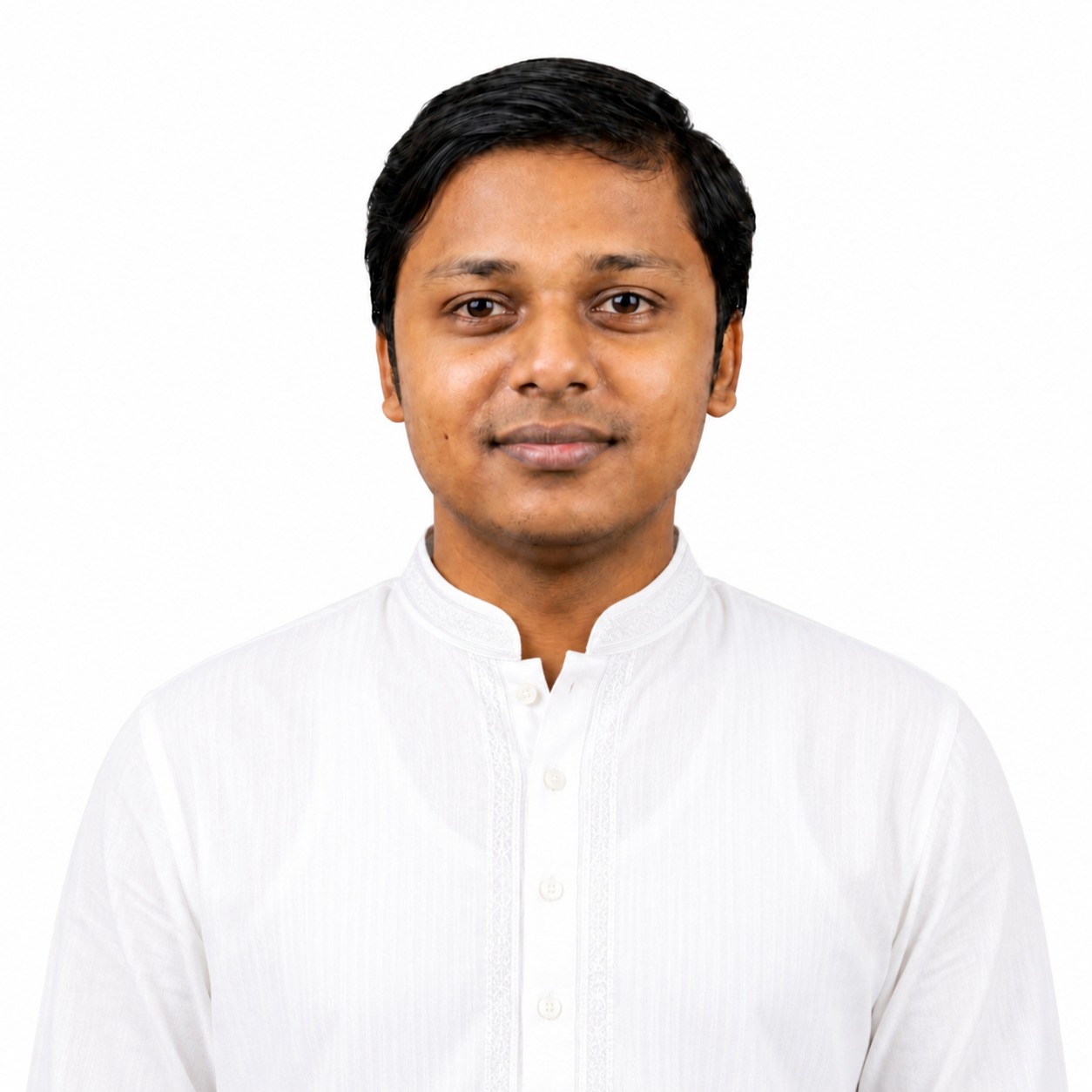
Tanvir Raihan:
A society’s freedom cannot be measured solely by the rights enshrined in its constitution. It must also be judged by how freely people can speak, sing, publish books, participate in sports and organise cultural events without fear. Recent allegations of obstructions and cancellations involving public events, cultural programmes, sporting activities and publishing in Bangladesh have brought an important question back into focus: Is the space for exercising civil liberties gradually shrinking?
The suspension of a women’s football match in Dirai, the cancellation of concerts and Baul music gatherings in different places, restrictions on traditional boat races, and allegations that a publishing house faced obstruction over the sale of Bangabandhu Sheikh Mujibur Rahman’s The Unfinished Memoirs may appear to be separate incidents. Yet they share a common concern. If an event can be cancelled whenever objections are raised against it, a fundamental question emerges: Who has the authority to make such decisions, and who is responsible for protecting citizens’ rights?
Freedom of expression is important for every individual and group, just as respect for the religious beliefs and sentiments of others is essential. However, showing respect and surrendering rights under pressure are not the same thing. Objections to an event can be addressed through dialogue. If there are specific allegations of legal violations, the authorities can investigate them. But when an event is cancelled simply because a particular group objects, doubts inevitably arise about the impartial application of the law.
The state’s responsibility is not to satisfy every party but to enforce the law equally for all. Giving due consideration to majority opinion may be part of democratic practice, but sacrificing the rights of minorities or people with differing views to appease majority pressure is not a requirement of democracy. The cancellation of a women’s football match, a Baul music gathering or a film screening may initially appear to be an isolated incident. However, repeated obstructions of this kind can have a broader impact on social freedom.
The role of local administration is particularly important in this context. Its responsibility is not to retreat in the face of pressure but to make decisions based on the law and evidence. If there is a genuine security risk, the authorities must take appropriate measures to address it. If threats are made by any party, legal action should be taken against those responsible. When organisers are forced to cancel events because of threats, those applying the pressure effectively gain the power to determine what can and cannot take place.
The government’s position on such incidents must also be clear. Why was an event cancelled? Under which law was the decision made? What steps were taken to protect the rights of the organisers? These questions deserve public answers. Silence does not always indicate approval, but prolonged silence can deepen uncertainty and undermine confidence in administrative decisions.
The rights to freedom of expression, peaceful assembly and participation in cultural life are recognised under international human rights frameworks. Bangladesh’s Constitution also guarantees freedom of thought, conscience and expression, as well as the right to peaceful assembly, although these rights may be subject to lawful restrictions. Such restrictions must be reasonable, necessary and grounded in law. They must not depend on the informal authority of any particular group.
Bangladesh’s cultural identity is diverse and multifaceted. Folk music, boat races, theatre, cinema, sports and books representing different perspectives are all part of the country’s social heritage. If any of these activities are declared unnecessary or unacceptable in ways that restrict the freedom of others, society’s overall creativity will ultimately suffer.
What Bangladesh needs now is not the politicisation of allegations but impartial investigations; not vague assurances but clear positions from the authorities; and not submission to pressure but the equal application of the law. Objections to an event are legitimate, but expressing an objection is not the same as taking away someone else’s rights.
If the state fails to stand firm in protecting citizens’ freedoms, successive restrictions and obstructions risk becoming normalised. Bangladesh should not become a country where organisers must wonder, before holding an event, whether someone will object and force its cancellation.
People must be able to speak without fear, practise their culture freely and coexist despite differences of opinion. A country’s freedom survives not only within its territorial boundaries but also in the space it allows its people to think, speak and express themselves through culture.
-Researcher and Media Professional
What do you feel about this post?

Like

Love

Happy

Haha

Sad