Editorial:
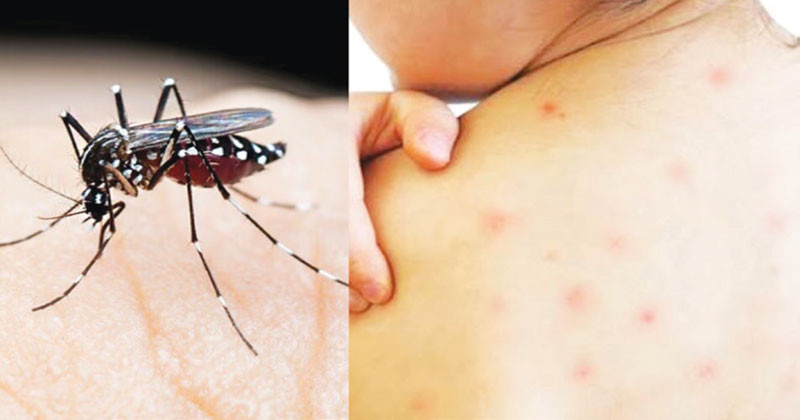
Bangladesh is facing a serious public health crisis as measles and dengue infections spread among children, placing thousands of young lives at risk. The sudden measles outbreak at the beginning of this year has gradually developed into a deeply concerning situation. The reported death of 1,200 children from measles over the past seven months is alarming. The simultaneous spread of dengue has further intensified the threat.
When children contract multiple infections at the same time, their health can deteriorate rapidly. The risk of serious complications, including encephalitis, severe respiratory distress and pneumonia, makes timely diagnosis and treatment particularly important.
A tragic incident in Chattogram, where a couple lost both their children within just two days, illustrates the devastating human cost of this crisis. Every child lost represents an irreplaceable life and an immeasurable loss for a family. Such deaths cannot be dismissed as mere statistics. Protecting children through preventive healthcare, timely treatment and institutional accountability is a fundamental responsibility of the state.
Measles is a vaccine-preventable disease. An effective and comprehensive immunisation programme can significantly reduce infections and prevent avoidable deaths. However, the recent outbreak has exposed serious weaknesses in the country’s routine vaccination system.
The government must urgently identify children who remain outside the vaccination network, particularly in remote, underserved and marginalised communities. Ensuring vaccine availability alone is not enough; authorities must verify whether every eligible child has actually received the required doses. Immunisation coverage must be monitored closely, and gaps must be addressed without delay.
Public health experts have reportedly been warning about the need to strengthen measles vaccination efforts. Their recommendations should have received greater attention before the outbreak reached such alarming proportions. The government must now examine where the immunisation programme failed, which institutions were responsible for the shortcomings and why preventive measures were not implemented effectively.
Dengue control presents another major challenge. The failure to maintain consistent efforts against the Aedes mosquito has contributed to the recurring outbreaks. Local government bodies and health authorities cannot afford to remain active only during the monsoon or peak dengue season. Mosquito breeding sites must be identified and eliminated throughout the year through regular inspections, waste management, environmental sanitation and public awareness campaigns.
Public participation is equally important. Households, educational institutions, hospitals and construction sites must all be brought under sustained mosquito-control initiatives. Without community engagement and awareness, efforts to contain dengue will remain inadequate.
The crisis also highlights the structural weaknesses of Bangladesh’s healthcare system, which remains heavily dependent on hospital-based treatment rather than preventive healthcare. Strengthening primary healthcare, disease surveillance, early diagnosis, vaccination and community-level medical services is essential to prevent similar outbreaks.
Hospitals must also be equipped to manage the growing number of critically ill children. Adequate beds, trained medical professionals, essential medicines and intensive care facilities must be ensured, particularly in areas experiencing high infection rates.
The health minister has recently taken responsibility for the deaths of children. While such an expression of accountability is welcome, words alone cannot resolve the crisis. The government must clearly explain the shortcomings within the health administration, identify failures in vaccination coverage and disclose why dengue prevention efforts have remained inadequate.
A transparent review of the response is necessary, followed by concrete corrective measures. Those responsible for negligence or institutional failures must be held accountable.
Children are the future of the country. Their lives must not be endangered by administrative negligence, poor coordination or a lack of accountability. The government must immediately strengthen emergency vaccination programmes, ensure year-round dengue prevention, improve hospital capacity and reform the public health response.
No child’s death from a preventable disease should be accepted as inevitable. Saving children’s lives must be treated as an urgent national priority. The state must act decisively before the crisis claims more young lives.
Children must be saved.
What do you feel about this post?

Like

Love

Happy

Haha

Sad