

International Desk:
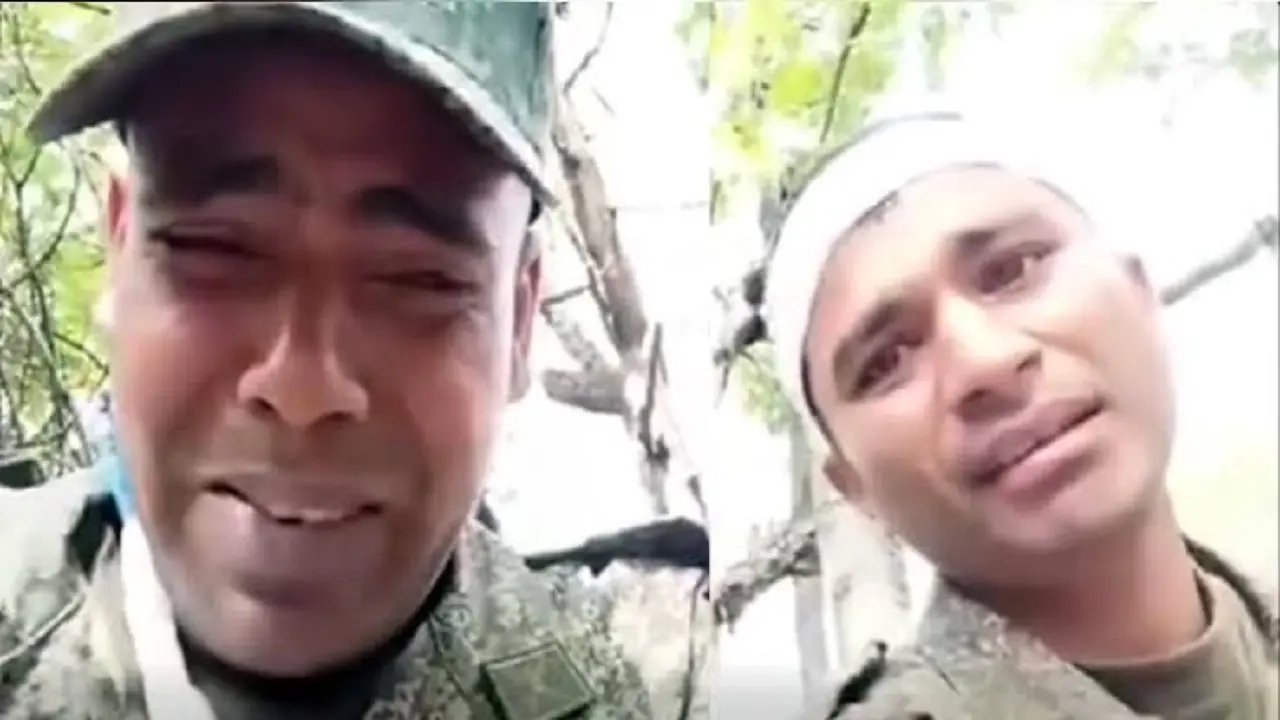
The United Nations has found evidence that citizens of Bangladesh and 28 other countries were recruited into the Russian armed forces through deception and coercion amid the ongoing war between Russia and Ukraine, according to a report by The Washington Post.
The findings were included in a report by the UN Independent International Commission of Inquiry on Ukraine, presented to the UN General Assembly’s human rights committee on Monday. Source: The Washington Post and the UN Independent International Commission of Inquiry on Ukraine.
The report said Moscow recruited foreign nationals aged between 18 and 60 into its armed forces through inducements and coercion, in violation of international law. Many of those recruited were economically disadvantaged, marginalised or had limited educational opportunities, it said.
According to the report, victims were taken to Russia through travel agencies and local intermediaries operating in different countries. After arriving, they were allegedly pressured into signing contracts written in Russian by the defence ministry, despite being unable to understand the language.
The recruits were reportedly shocked when they realised they would have to participate directly in the war against Ukraine as members of the Russian military.
The commission examined information concerning citizens of 48 countries and found specific evidence of deceptive recruitment involving nationals of 29 countries.
Besides Bangladesh, the countries named in the report were India, Sri Lanka, Belarus, Azerbaijan, Bolivia, Brazil, Botswana, Cameroon, Colombia, the Dominican Republic, El Salvador, Ghana, Honduras, Jordan, Kenya, Morocco, Nigeria, Peru, the Philippines, South Africa, Somalia, Tajikistan, Tunisia, Türkiye, Uganda, Uzbekistan, Yemen and Zimbabwe.
The report also documented the impact of repeated Russian attacks on Ukraine’s electricity and energy infrastructure, particularly during the winter months.
The commission said deliberately depriving civilians of electricity amid freezing temperatures could constitute war crimes and crimes against humanity, depending on the circumstances and the applicable legal findings.
Commission chairman Erik Møse said attacks on energy facilities constituted war crimes because they directly targeted civilian infrastructure, according to the report. The resulting power outages left ordinary people exposed to severe hardship in freezing conditions and darkness.
The report described how electricity disruptions prevented elderly residents from using lifts to reach shelters during drone and missile attacks. Patients dependent on life-support systems in hospitals also faced serious risks to their lives.
The findings were based on testimonies from 255 victims, medical professionals and civil society representatives in Kyiv and other regions during the winter of 2025–26.
Russia’s mission to the United Nations said it did not recognise the commission’s report and dismissed the allegations against Moscow as unfounded and based on false information.
The report’s findings raise concerns about the vulnerability of foreign nationals seeking employment abroad and the risks of deceptive recruitment into military service during an international armed conflict.
What do you feel about this post?

Like

Love

Happy

Haha

Sad