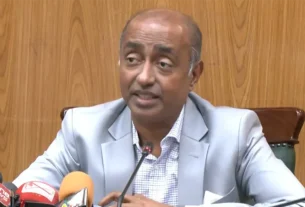

Tanvir Raihan:
Bangladesh is preparing to introduce four new textbooks in the 2027 academic year as part of an effort to move away from rote learning and an examination-centred education system. However, questions remain over whether schools have the necessary teachers, infrastructure and resources to translate the proposed changes into meaningful learning outcomes.
The new books will include Sports and Culture of Bangladesh for Grade Four, and Learning with Happiness and My Technical Education for Grade Six.
The initiative aims to promote students’ physical and mental development, creativity, ethical values and practical skills. The National Curriculum and Textbook Board (NCTB) has prepared the manuscripts, with around 15 million copies expected to be printed.
Education Adviser Mahdi Amin said the initiative reflected the long-term vision of Prime Minister Tarique Rahman and was based on research into the country’s educational needs. He said the new books would place greater emphasis on human values, social etiquette, family culture, responsible citizenship and employment-oriented skills.
But introducing new textbooks alone may not be enough to change classroom practices. The success of the initiative will largely depend on how effectively teachers are trained, how schools are equipped and whether the assessment system rewards practical learning rather than memorisation.
NCTB Chairman Professor Mohammad Fakhrul Mawla said the manuscripts had been prepared and validated. The books were expected to be placed before the National Curriculum Coordination Committee (NCC) for approval, after which the printing process would begin.
NCTB Member (Textbooks) Professor Mohammad Abu Naser Tuku said printing was expected to be completed by December 15.
The Grade Four Sports textbook contains 14 chapters covering football, cricket, kabaddi, badminton, swimming, athletics and chess, alongside martial arts such as karate, judo and taekwondo. It also includes lessons on first aid, nutrition, injury prevention and social skills.
One of its stories highlights how a girls’ football team overcame social barriers, aiming to encourage students to participate in sports and challenge traditional attitudes.
The Culture of Bangladesh textbook has 11 chapters focusing on the country’s language, clothing, arts, food, customs and ethnic minority communities. It also introduces students to school festivals, the national flag, traditional foods such as pitha-puli and the role of joint families in decision-making.
The book includes the history of the children’s talent competition ‘Notun Kuri’, which was launched in 1976 during the presidency of Ziaur Rahman.
For Grade Six, Learning with Happiness is designed around experiential learning, classroom interaction and co-curricular activities. Its six chapters cover everyday life, health, the environment, safety and creativity, with an emphasis on reducing dependence on conventional textbook-based instruction.
The other Grade Six book, My Technical Education, contains eight chapters on technology, small enterprises, problem-solving, green technology and sustainable living. It is intended to help students develop practical skills and understand how technology can be applied to everyday challenges.
NCTB Member (Curriculum) Professor Dr AKM Shawkat Ali Khan said the new textbooks would help create a more enjoyable, practical and skills-oriented learning environment.
The board is also considering expanding the initiative. The sports and culture textbooks may eventually be introduced from Grades One to Five, while Learning with Happiness and My Technical Education could be extended to Grades Six to Ten.
However, several implementation issues will need attention before the initiative can deliver its intended benefits.
For example, sports education will require trained instructors, playgrounds and adequate equipment. Schools without these facilities may struggle to provide students with the practical experience described in the textbook. Similarly, lessons on culture will need to represent the diversity of Bangladesh’s communities rather than rely on a narrow or uniform understanding of national identity.
Technical education presents another challenge. Practical skills cannot be developed through textbook reading alone. Students will need access to tools, equipment, trained teachers and opportunities to work on real-life projects.
The concept of learning with happiness may also face difficulties if schools continue to place excessive emphasis on examinations, grades and memorisation. Without changes to classroom assessment and teaching methods, the new approach could become another addition to the existing syllabus rather than a meaningful shift in education.
The introduction of the four textbooks signals an attempt to broaden the scope of school education. Whether that ambition translates into better learning, however, will depend not only on what is written in the books but also on what happens inside classrooms across the country.
What do you feel about this post?

Like

Love

Happy

Haha

Sad