
Tanvir Raihan:
The death of a child does more than shatter a family’s dreams. It can also expose serious weaknesses in a country’s preparedness, administrative capacity and sense of public responsibility. When children die from measles, dengue complications or drowning in a pond near their homes, grief must be accompanied by a difficult question: why were adequate measures not taken to address risks that were already known?
Not every child’s death can be prevented. However, effective interventions can save lives by addressing gaps in vaccination, controlling mosquito-borne diseases and reducing the risk of drowning. Simply counting the dead after each incident is not enough. Authorities must examine the risks involved, whether available preventive measures were used effectively and where the shortcomings occurred.
Protecting children is a shared responsibility of families, communities and the state. Government institutions, however, have a particularly important role in public health, immunisation, urban management and ensuring safe environments. Any failure in these responsibilities must be identified and addressed.
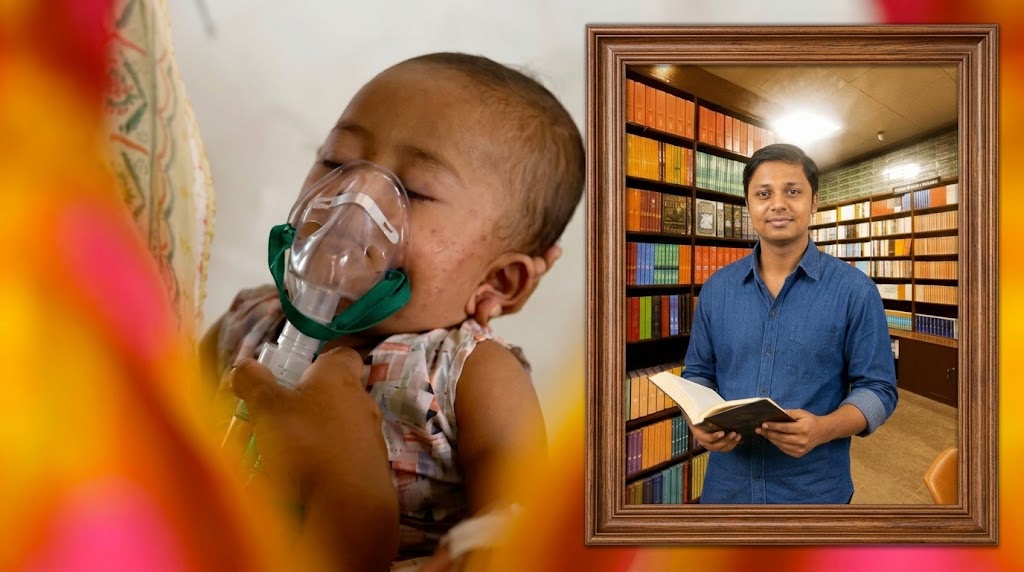
An effective vaccine against measles is available, and Bangladesh has a routine immunisation programme. Yet the measles outbreak in 2026 raised serious questions about vaccination coverage, vaccine supplies and the preparedness of the healthcare system.
According to a World Health Organization (WHO) report dated April 23, Bangladesh recorded 19,161 suspected measles cases and 166 suspected measles-related deaths between March 15 and April 14. Of those deaths, 30 were laboratory-confirmed as measles-related. Children under five accounted for 79 per cent of reported cases. The outbreak had spread to 58 of the country’s 64 districts.
Meanwhile, a midea report published on October 15 stated that deaths from measles and measles-like symptoms had reached 1,177 this year. Although the reporting periods and classifications of these figures need to be examined separately, the overall picture points to a serious public health concern.
The central question is this: why were so many children exposed to infection despite the availability of vaccines?
According to information published by a media, Bangladesh needed 38.7 million doses of measles-rubella vaccine over the three years from 2023 to 2025 but purchased only 22.49 million doses. This was approximately 42 per cent below the estimated requirement. Reports have also highlighted that a significant number of children are missed by routine immunisation services.
A comprehensive explanation is needed to establish whether planning weaknesses, procurement delays, supply problems or limitations at the field level contributed to the shortfall. Publishing the number of doses purchased is not enough. Authorities must explain when key decisions were made, whether officials knew a shortage was likely and whether alternative arrangements could have been introduced.
The success of an immunisation programme depends on more than the number of doses procured. Timely procurement, proper storage, effective distribution and identifying children who have missed their vaccinations are all equally important.
Dengue is not a new public health threat in Bangladesh. After years of infections and deaths, a key question is whether the country has developed the lasting capacity needed to control the disease.
Figures cited from the Directorate General of Health Services show that dengue claimed 1,705 lives in 2023, 575 in 2024 and 413 in 2025. According to the health directorate’s dashboard on October 14, 2026, the disease had caused 321 deaths that year, while 105,316 patients had been hospitalised.
Viewing these figures merely as seasonal fluctuations would obscure the scale of the challenge. Dengue control requires a coordinated approach involving the elimination of mosquito breeding sites, regular surveillance, identification of high-risk areas, public awareness campaigns and adequate hospital preparedness.
Local government bodies, the Directorate General of Health Services and the relevant administrative authorities all have important roles to play. Timely action must be guided by evidence showing where mosquito populations are growing, which areas have weak control measures, where patient numbers are rising and whether healthcare facilities are adequately prepared.
The success of a mosquito-control campaign cannot be measured simply by counting the number of drives conducted. Authorities must also assess whether breeding sites have declined, risks have been reduced and public health outcomes have improved.
A child’s death from dengue does not, by itself, prove negligence by any particular official. However, repeatedly occurring deaths make it essential to assess whether preventive measures are working. What is needed is evidence-based investigation, institutional evaluation and accountability where failures are established.
Drowning among children in Bangladesh is a serious problem that is often discussed as a series of isolated accidents. Yet such deaths are linked to the location of water bodies, children’s ages, the availability of supervision and the presence or absence of safety measures.
According to the WHO’s 2025 report, the Bangladesh Health and Injury Survey 2023 recorded 18,268 drowning deaths. Children aged one to four accounted for 53 per cent of these deaths, while ponds were the location in 76 per cent of reported cases.
These figures illustrate the risks that nearby water bodies pose to young children. In areas where ponds, ditches and canals are close to homes, protecting children is not merely a matter of parental vigilance. It is also a question of local environmental safety and community protection.
Parental supervision is essential, but placing the entire burden on families will not solve the problem. Measures such as safe childcare facilities, community-based child supervision, suitable barriers around water bodies and swimming and water-survival lessons for children are also needed.
Authorities should identify where these interventions are most urgently required, where they are already available and how many children benefit from them. Public awareness campaigns are important, but they must not become a substitute for practical safety measures.
The risks associated with these three causes of child deaths differ. Measles requires effective vaccination and infection control; dengue demands mosquito control and medical preparedness; drowning prevention depends on safer environments and adequate supervision. No single approach can address all three problems.
Yet they share a common requirement: identify risks, take preventive action in time and investigate the reasons when systems fail.
Several steps are essential.
First, reliable and regularly updated data on preventable child deaths must be published. Analysing the information by age, location, cause of death and associated risk factors would help authorities determine where urgent intervention is needed.
Second, every stage of the vaccination programme, from procurement and supply to storage and administration—must be evaluated. Independent reviews should establish whether shortages could have been anticipated and whether the relevant authorities responded in time.
Third, local government bodies’ dengue-control efforts should be assessed regularly on the basis of measurable outcomes. Hospitals’ capacity to handle patients, the availability of essential medical supplies and the effectiveness of early diagnosis should also be reviewed.
Fourth, areas at high risk of drowning should be identified and appropriate safety measures introduced at the local level. Clear targets and institutional responsibilities are needed to implement childcare services, community participation and swimming programmes.
Finally, major incidents involving potentially preventable deaths should undergo independent review where appropriate. Findings should explain whether risks were identified in advance, what action was taken, where shortcomings occurred and what changes will be introduced to prevent similar incidents. Where negligence is established, action should be taken in accordance with the law and applicable regulations.
A country’s development cannot be measured solely through infrastructure projects, budget allocations or economic growth. A meaningful assessment must also consider how effectively the most vulnerable members of society are protected. This is particularly important for children, who have limited ability to organise or exert social and political pressure to defend their own rights.
Article 6 of the United Nations Convention on the Rights of the Child recognises every child’s inherent right to life and requires states to ensure children’s survival and development. Article 24 recognises children’s right to the highest attainable standard of health and access to healthcare. Bangladesh is a party to the convention. Protecting children’s health and safety is therefore not only a humanitarian responsibility but also part of upholding internationally recognised rights.
Recognising these rights is not enough. Their fulfilment requires adequate funding, skilled personnel, effective institutions, accessible local services and regular monitoring. Transparent mechanisms are also necessary to identify failures and ensure corrective action.
It would be inaccurate to attribute every death from measles, dengue or drowning to state negligence. However, many deaths in these categories can be prevented or reduced through appropriate interventions. Determining whether available opportunities for prevention were used effectively is a responsibility the state cannot ignore.
Grief after a child’s death is natural. But if no review follows, no shortcomings are corrected and other children remain exposed to the same risks, grief alone will not produce meaningful change.
The question, therefore, is not simply who is responsible. More importantly, which system failed, why did it fail, and what will be done now to save the next child?
Reducing preventable child deaths requires the political will and administrative commitment to answer these questions. Children cannot vote or demand accountability on their own behalf. That makes the state’s responsibility to protect their lives no less important, but greater. The ultimate goal must be to ensure that no child’s death disappears into statistics without prompting action to protect others.
-Journalist and Researcher.
What do you feel about this post?

Like

Love

Happy

Haha

Sad