
Staff Reporter:
Bangladesh wants to draw on Turkey’s experience in generating electricity from municipal and industrial waste and modernising the leather industry. As part of the initiative, Commerce and Industries Minister Khandakar Abdul Muktadir visited several key facilities in Istanbul on November 4 and 5 to learn about their technologies, operational systems and industrial infrastructure.
The visits highlighted potential areas of cooperation in technical assistance, training, technology transfer and investment partnerships.
On November 4, the minister visited the waste incineration and power generation facility of the Istanbul Metropolitan Municipality. Senior officials briefed him on the different stages of processing household waste and generating electricity from it. He also learned about the facility’s technology and operations through presentations and an on-site inspection.
The facility, operated by İSTAÇ, has the capacity to process 3,000 tonnes of waste daily and has an installed power generation capacity of 85 megawatts.
Such technology could offer opportunities to improve waste management in Bangladesh’s cities and reduce pressure on landfills. However, its adoption would require an assessment of local conditions, economic viability and environmental requirements.
On the same day, Muktadir visited the Istanbul Leather Organised Industrial Zone (İDOSB) in Tuzla. Celal Kopuz, chairman of the zone’s board, representatives of the industrial zone and two officials from Turkey’s Ministry of Industry and Technology briefed him on its operations and economic contribution.
The discussions highlighted the importance of developing planned industrial zones, sharing common infrastructure and establishing centralised wastewater treatment facilities for leather production.
These experiences could help Bangladesh modernise its leather industrial estates, improve compliance with environmental standards and increase production efficiency.
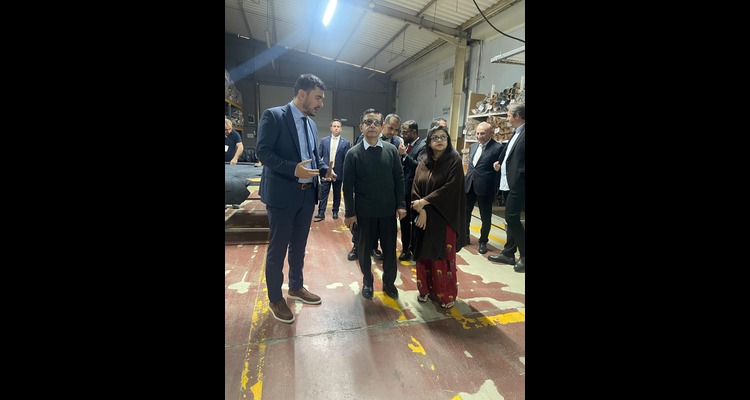
The minister later visited the factory of Cevahir Leather Industry and Trade Company Limited. He observed the different stages of processing raw hides into finished leather and learned about leather processing, tanning and finishing technologies, as well as the production of leather suitable for footwear and other products.
On November 5, Muktadir visited the Enerjram Thermal Disposal Facility in Şile. The facility treats hazardous industrial waste through thermal processes and generates electricity from it.
Under İSTAÇ’s integrated waste management framework, Enerjram operates the facility under a Build-Operate-Transfer (BOT) arrangement. It has an annual industrial waste treatment capacity of 33,000 tonnes and an installed power generation capacity of 5.6 megawatts.
The visits identified potential areas of cooperation between Bangladeshi and Turkish institutions in urban development, environmental management and industrial modernisation.
The adoption of appropriate waste treatment and energy recovery technologies could improve industrial waste management while making a supplementary contribution to the country’s electricity supply.
Turkey’s experience could also help Bangladesh strengthen centralised waste treatment systems in the leather industry, improve production processes and increase value addition.
Through training, technology transfer and investment cooperation, Bangladesh could explore opportunities to enhance industrial competitiveness, diversify exports and generate employment.
What do you feel about this post?

Like

Love

Happy

Haha

Sad