

Feature Desk:
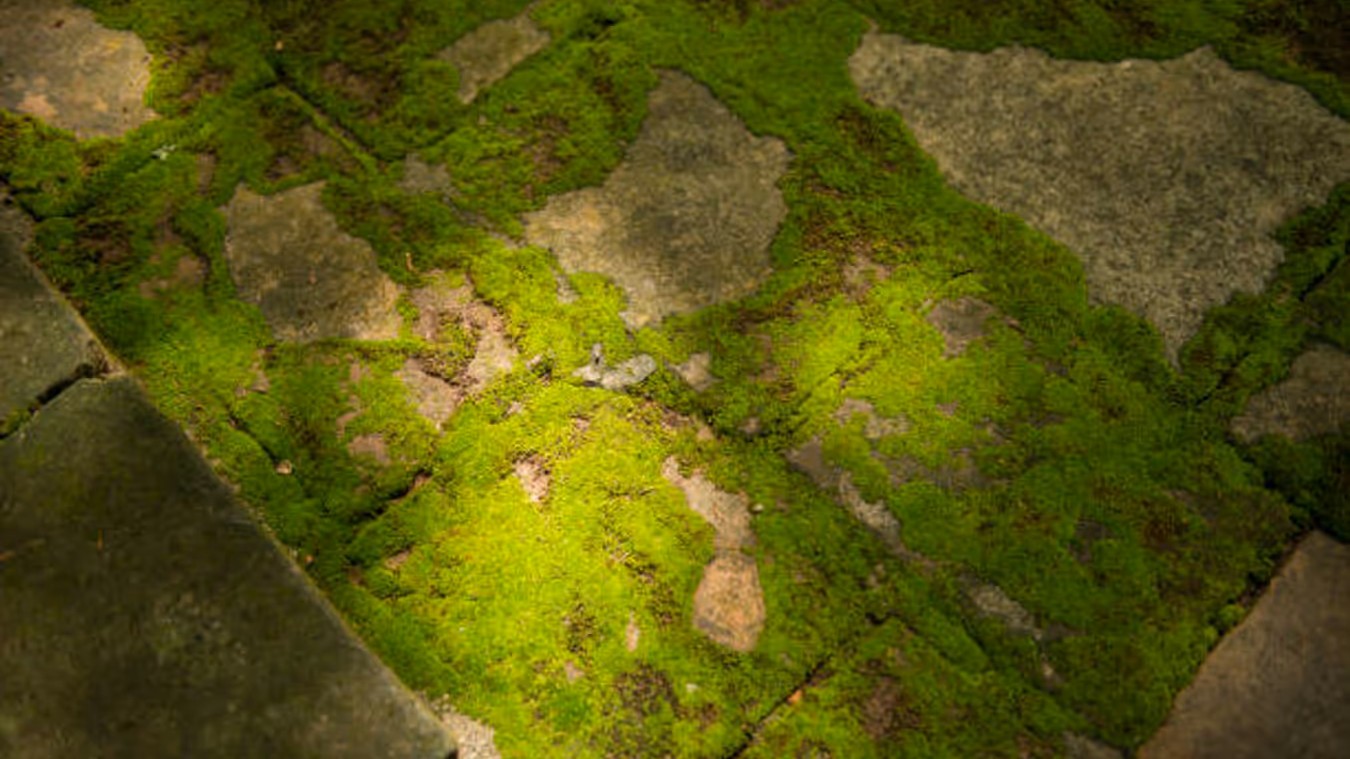
Moss growing on damp walls, roof corners or old bricks is often treated as an unwanted layer of green and quickly removed. Many people consider it a sign of dirt or neglect. Yet moss plays a much wider role in nature, helping retain moisture, supporting tiny organisms and contributing to the balance of ecosystems.
Moss generally thrives in damp, shaded places. It can grow on soil, rocks, bricks, tree trunks and even walls. Unlike most familiar plants, mosses do not have true roots. Instead, they use fine structures to attach themselves to surfaces and absorb water and nutrients from their surroundings. This allows them to spread across small spaces when conditions are favourable.
One of the most important characteristics of moss is its ability to retain water. It absorbs rainwater and moisture from the air, helping maintain damp conditions around it. In forests, moss can help keep the soil moist and create suitable habitats for small organisms. In some environments, moss cover may also help reduce soil erosion. These qualities make moss an important part of several natural ecosystems.
Moss also absorbs carbon dioxide through photosynthesis, using sunlight to produce food. However, claims that moss absorbs four times more carbon dioxide than ordinary plants should not be applied universally. The amount of carbon absorbed depends on the moss species, the extent of its growth, environmental conditions and the methods used in research.
Researchers have also shown interest in the potential role of moss in urban environments. By retaining moisture and releasing water through evaporation, some forms of green cover may have a limited cooling effect on their immediate surroundings. However, moss growing on a house wall cannot, by itself, significantly reduce urban temperatures. Trees, wetlands, shade and planned green spaces play a much greater role in keeping cities cool.
Despite its environmental benefits, moss should not always be left undisturbed on walls and rooftops. Its growth may indicate persistent dampness, water leakage or cracks in a structure. In such cases, removing the moss should be accompanied by identifying and addressing the source of moisture. Moss-covered surfaces can also become slippery and create hazards for pedestrians.
Small elements of nature can make meaningful contributions to ecological balance, and moss is one such example. Rather than viewing it solely as a sign of neglect, it is worth recognising its environmental value. At the same time, understanding where moss can grow naturally and where it needs to be removed can help people care for both the environment and their homes.
What do you feel about this post?

Like

Love

Happy

Haha

Sad