

Editorial:
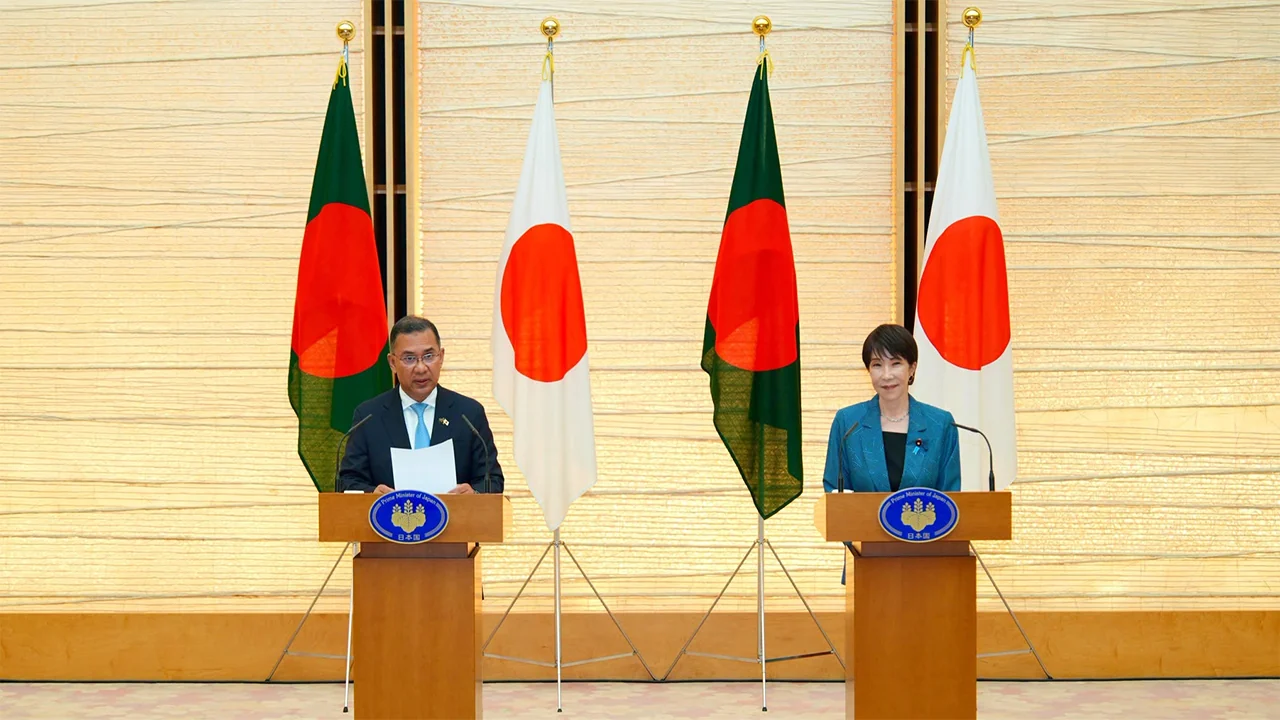
Prime Minister Tarique Rahman’s visit to Japan should not be viewed merely as an effort to strengthen bilateral relations. It offers Bangladesh an opportunity to develop a long-term strategy for preparing its young population for the global labour market. By effectively connecting Japan’s growing demand for workers with Bangladesh’s young workforce, both countries can benefit. However, achieving this requires moving beyond the traditional approach to labour exports and prioritising skills, technology and workers’ rights.
Japan is one of the world’s most advanced economies. Its ageing population and shrinking working-age population are creating demand for workers across various sectors. Bangladeshis may find opportunities in healthcare, elderly care, construction, manufacturing, agriculture, food processing, hospitality and information technology. However, having a large young population alone will not be enough to seize these opportunities. Bangladesh needs workers who are professionally prepared, technically skilled and proficient in Japanese.
This is where a policy shift is essential. Instead of treating the number of workers sent abroad as the primary measure of success, Bangladesh must focus on their earnings, working conditions, skills development and career prospects. Discussions with Japan should prioritise joint assessments of labour market demand over the next five to ten years, sector-specific recruitment plans and common training standards.
Japanese language education and technical training must be treated as complementary priorities. Limited language proficiency can lead to workplace misunderstandings, safety risks and barriers to career advancement. Bangladesh should therefore establish partnerships among public training centres, universities, private institutions and Japanese employers. Joint training centres in Bangladesh, instruction in Japanese technologies and access to internationally recognised qualifications should also be expanded.
Alongside skills development, protecting workers’ rights must receive equal attention. Recruitment costs, wages, working hours, accommodation, insurance and contractual terms should be clearly explained before departure. Transparent recruitment systems are needed to curb fraud and reduce the unchecked influence of intermediaries. Effective support mechanisms must also ensure that workers can seek timely assistance if they face harassment, wage disputes or breaches of contract abroad.
Another important dimension of this partnership is the transfer of technology and experience. Bangladeshis returning from Japan could contribute as entrepreneurs, trainers and skilled professionals. To make the most of their experience, Bangladesh should provide returning workers with access to credit, business support and employment opportunities in domestic industries. This would extend the benefits of labour migration beyond remittances and contribute to national productivity and industrial development.
Prime Minister Tarique Rahman’s visit to Japan should therefore serve as a catalyst for a practical national action plan. Diplomatic agreements must translate into tangible outcomes through training, transparent recruitment, worker protection and technological cooperation. Bangladesh’s path to strengthening its position in Japan’s labour market lies not in competing over numbers, but in demonstrating skill and reliability.
Preparing Bangladesh’s young workforce for the global economy should be one of the long-term objectives of this visit.
What do you feel about this post?

Like

Love

Happy

Haha

Sad